5 popular providers offering cheap cell phone plans

5 popular providers offering cheap cell phone plans

Subscribing to super-cheap cell phone plans is a great way to save money on your phone bills. Besides, requiring more data doesn’t always mean you need to spend more on cell phone plans. Some of the best cell phone plans out there offer more for cheap. If you’re on the lookout for affordable plans, check out the super-cheap cell phone plans from these providers. Tello If you’re looking for a new cell phone plan, Tello offers one of the cheapest plans out there. Some of its cell phone plans cost as little as $10 per month. Although these might offer limited data, users often get other unlimited services like calls and texts and free mobile tethering. Plus, there is no contract involved. Tello offers some super-cheap cellphone plans for those on a budget without the requirement for a lot of data. Mint Mobile Mint Mobile is one of the best options if you’re looking to save big bucks with cheap cell phone plans. Some of the plans from this provider can cost as low as $15 a month. These plans are affordable and offer generous data packages, and you can also opt for 3-, 6-, or 12-month plans to bring down the cost. The plan includes 4GB of data with 5G/4G LTE per month and unlimited nationwide talk and text. Visible There are not many prepaid plan options from Visible, but its one plan offers unlimited data at affordable prices. This might not exactly be the super-cheap cell phone plan you’re looking for, but you can also get 5G access, depending on the phone you use, and Visible uses Verizon’s super-fast network. Their standard plan costs $40/mo after the first month at $25. Twigby For those who have Verizon coverage in their areas but are looking for cheaper alternatives, Twigby offers super-cheap cell phone plans.

Foods and home remedies to manage flu

Foods and home remedies to manage flu

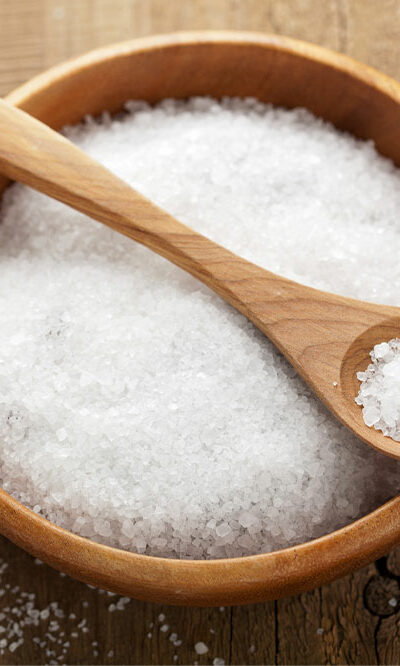
When a person is down with the flu, they may not feel like eating much. However, healthy food is essential to keep the bug down. Fevers, body aches, colds, and cough take a toll on the body, leading to added weakness. Foods that are high in nutrients add to the body’s defense and make the immune system stronger to fight the illness. Here’s a list of foods and home remedies for flu relief. Foods for Relief from Flu Chicken soup Chicken soup contains vitamins, minerals, calories, and proteins, which are required when you’re down with flu. It is packed with amino acid cysteine, which is known to have antiviral, antioxidant, and anti-inflammatory effects. Additionally, chicken soup is a complete meal that boosts immunity and opens up blocked nasal passages. Broths Any kind of broth is a rich source of fluids, nutrients, and electrolytes. It is easy to digest, rich in collagen, and reduces dehydration, promoting faster recovery from the flu. Most broths also contain amino acids, which are an essential source of protein. Consider making or buying a low-salt broth if you are watching your sodium intake. Hot tea After chicken soup, hot tea is a popular remedy for cold and flu. Be it green, oolong, or black, hot teas help relieve nasal congestion. But make sure your tea does not contain caffeine as it can cause dehydration. Teas are also rich in cancer-fighting antioxidants and polyphenols. Home Remedies for Relief from Flu Saltwater gargles Gargling with lukewarm salt water can treat upper respiratory infections by loosening the phlegm and mucus virus. The salt in the water also helps with throat pain and nasal congestion. Dissolve one teaspoon of salt in a glass of water and swish it around your mouth and then spit. Warm baths Taking a warm water bath may reduce the symptoms of a cold and flu.
Foods to eat and avoid for managing pulmonary fibrosis

Foods to eat and avoid for managing pulmonary fibrosis

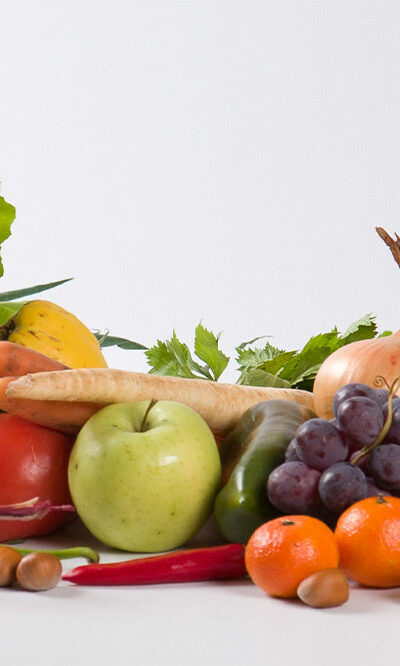
Pulmonary fibrosis is a progressive disease of the lungs. It occurs when the lung tissue gets damaged and scarred, causing shortness of breath, dry cough, fatigue, chest pain, appetite loss, and other discomforts. Unfortunately, there’s no complete cure for pulmonary fibrosis. However, proper nutrition can help manage the condition. This article lists the foods patients must eat and avoid, along with a few medications, including Esbriet®, as treatment options for pulmonary fibrosis. Foods to eat The following foods can help manage pulmonary fibrosis: Whole grains Whole grains like oats, quinoa, and brown rice are packed with fiber. They also have nutrients that can help lower cholesterol levels and decrease inflammation, improving the quality of life among pulmonary fibrosis patients. Lean protein Protein helps strengthen the chest and abdomen muscles, reducing breathing issues. One must choose high-quality lean proteins like skinless chicken breasts, eggs, and fatty fish. Some excellent plant-based protein sources include beans, peas, nuts, legumes, and tofu. Fruits and veggies Fresh fruits and vegetables like carrots, celery, spinach, berries, kiwi, and pineapple are loaded with a slew of antioxidants, vitamins, and minerals that help support lung health and ease pulmonary fibrosis symptoms. Plus, they’re high in fiber and can boost digestion. Foods to avoid Certain foods can worsen pulmonary fibrosis symptoms. These include: Fried foods Fried foods, such as French fries, fried chicken, and potato chips, can cause throat irritation. This may trigger cough and also lead to bloating and gastric disturbances, making breathing difficult. Moreover, fried foods can cause fat gain, which can further worsen breathing problems. Cured meats Cured meats are loaded with nitrates, which act as a preservative and help meats maintain their color. Studies show that nitrates can damage lung tissue and worsen pulmonary fibrosis symptoms. Therefore, one must avoid cured meats like bacon, hot dogs, ham, and salami.
Enlarged prostate: 5 foods that help improve the symptoms

Enlarged prostate: 5 foods that help improve the symptoms

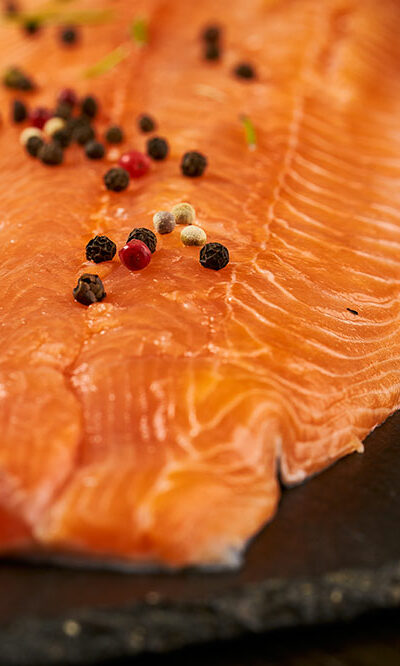
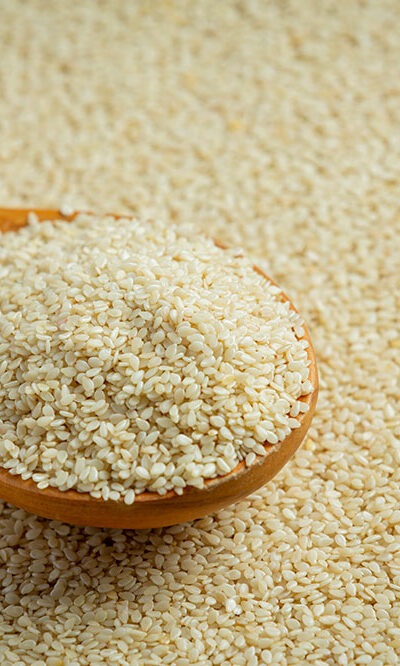
The prostate is a small, rubbery gland in the male reproductive system that produces seminal fluid. The seminal fluid mixes with the sperm from the testes and helps it travel and survive. An enlarged prostate (benign prostatic hyperplasia (BPH)) is a common condition where the prostate obstructs the urethra and affects urine flow from the bladder. This article has listed five foods and treatments to help treat and manage an enlarged prostate. Sesame seeds Sesame seeds, almonds, and pumpkin seeds contain good levels of zinc that get absorbed by the body. Since people affected by BPH have lower zinc levels, this food can help replenish the mineral. Tomatoes Tomatoes are rich in lycopene, a powerful antioxidant that helps reduce the risk of BPH. Eating cooked tomatoes is known to curb the symptoms of an enlarged prostate and reduce any prostatic inflammation. Consume lycopene-rich foods with healthy fats to enhance their healing effects. Salmon Salmon is rich in omega-3 fatty acids, healthy fats praised for their inflammation-reducing properties. Other fish include tuna and mackerel, which are also efficient omega-3 sources. Vegetables Leafy vegetables are rich in antioxidants and minerals required for the body to function properly. Add veggies like bell peppers, onions, spinach, garlic, and broccoli to your meals for a healthier prostate. Berries Berries like blueberries, strawberries, and raspberries possess high levels of antioxidants. These properties protect the body against oxidative damage and fight free radicals, thus protecting the prostate from potential illness. Treatments Other than the foods mentioned above, one can even try out these prescriptions and supplements to reduce BPH symptoms. Prosvent Prostate This treatment is made from natural ingredients such as pumpkin seed oil and saw palmetto. With 60 capsules in a bottle, it promotes a healthy prostate and bladder function. It also helps improve the person’s lifestyle.
6 worst foods for people with breathing problems

6 worst foods for people with breathing problems

Leading a regular life becomes quite challenging when one faces breathing troubles sporadically. Breath-related issues, such as shortness of breath, coughing, wheezing, and pain or pressure in the chest are usually symptoms of lung diseases like MAC disease and COPD. Certain foods we regularly eat can negatively affect our lungs and exacerbate breathing problems. So, this article lists some common foods one must avoid to ease breathing issues and control MAC disease and COPD symptoms. 1. Fried foods Fried foods, such as French fries, fried chicken, and potato chips, are among the unhealthiest foods anyone can eat. These foods can cause gas and bloating, making breathing more difficult in those suffering from breath-related conditions. Fried foods, being calorie-dense, can also lead to weight gain, which increases pressure on the lungs. 2. Salty foods Too much salt spells more trouble when you’re suffering from breathing problems. That’s because salt, or sodium, can cause fluid retention in the body, triggering high blood pressure and shortness of breath. Steer clear of various high-salt foods like canned soup, pasta sauce, and tortilla chips, and replace salt with spices and herbs in dinner recipes. 3. Processed meats Ham, hot dogs, sausages, and other processed meats are usually loaded with nitrates to improve color and prolong shelf life. Studies have found that nitrates can aggravate symptoms of lung diseases, especially COPD. Besides, processed meats tend to be high in sodium, contributing to breathing problems. 4. Sodas Sodas are infused with carbon dioxide. This can lead to excess gas, bloating, and heartburn, all of which can make it harder to breathe. Additionally, sodas are devoid of essential nutrients and high in sugar and calories, promoting excess weight. One must particularly avoid caffeine-containing sodas, as caffeine increases respiration rate, heart rate, and blood pressure. 5. Dairy Whole milk and other dairy products can aggravate symptoms in those with conditions like MAC disease and COPD.
5 natural ways to strengthen bones

5 natural ways to strengthen bones

Osteoporosis is a condition in which the patient’s bones become brittle and porous. This increases the chances of getting bone fractures and experiencing joint pain. Sometimes bones become so brittle that coughing or bending over causes a fracture. Although osteoporosis does not have a permanent cure, there are ways to manage its symptoms and strengthen weakened bones. Listed in this article are some of the steps that can be taken to promote bone health naturally. Opt for calcium-rich foods Calcium plays an integral part in the maintenance of bone density for osteoporosis patients, which is why it needs to be incorporated in every meal. Dairy products are an ideal source of calcium. However, calcium-fortified food options like cereals, yogurt, juices, and more can be equally resourceful. Include physical activity In our fast-paced lives, physical activity often takes a backseat. This lack of daily physical activity can prove to be a concern, especially for patients with osteoporosis. Strength training or weight-bearing exercises like swimming, walking, running, hiking, and more are recommended by health care professionals. Eat vitamin-rich foods While vitamin D helps the body improve calcium absorption, vitamin K2 ensures that the absorbed calcium is not lost. Both these crucial components can be obtained from food. However, in some cases, osteoporosis patients might need to be prescribed supplements to overcome vitamin D deficiency. Avoid carbonated drinks One of the negative outcomes of sodas and other fizzy beverages is the loss of bone strength. It is believed that the phosphoric acid present in these drinks hinders the body’s absorption of calcium and results in weaker bones and decreased bone density. Limit sugar intake Unchecked sugar consumption can lead to weight gain, decreased bone density, and increased risk of osteoporosis, all of which needs to be avoided in order to promote good bone health.
7 foods one should avoid before bedtime

7 foods one should avoid before bedtime

Finding it hard to sleep at night? Staying away from your phone and reducing psychological stress can help, but these are not enough. You also need to be wise when choosing foods late in the evening and before bedtime. Some foods have ingredients that can induce insomnia and cause tummy troubles, making it hard to sleep well at night. Below, we’ve listed seven such foods you should avoid eating before hitting the sack. Chocolate Post-dinner chocolate cravings are pretty common, but it’s not good when struggling to get proper sleep. Chocolates, especially dark chocolate, contain lots of caffeine, which can prevent you from getting deep, restful sleep. Coffee Talking about caffeine, it’s hard not to mention coffee. A shot of espresso is a go-to late-night drink for many, but it can hurt your objective of sound sleep. Coffee contains very high levels of caffeine, more than dark chocolate. So, it’s best to avoid any type of coffee at least six hours before bedtime. Potato chips Potato chips are fried foods loaded with unhealthy fats. Such foods take long to digest, cause indigestion, and can keep you up at night. Some studies even show that eating lots of fried, greasy foods can cause disturbing dreams. Donuts Donuts are one of the worst foods to eat before sleeping. They’re high in both fat and sugar. Too much sugar can cause a spike in blood glucose and then a sudden crash, disrupting sleep patterns. Digestive issues from excess fats can further make matters worse. Wine A glass or two of wine can indeed make you feel relaxed and even drowsy. But, it can also lower sleep quality. Drinking wine just before going to bed can cause you to wake up in the middle of the night or early in the morning to use the bathroom.
10 mistakes to avoid when purchasing a smartphone

10 mistakes to avoid when purchasing a smartphone

Multiple manufacturers launch new smartphones daily. The vast availability of smartphones may also compel users to buy the device based on impulse. But this way, as a buyer, you may spend a large sum of your money on an inferior phone. And nobody wants to spend their money on a poorly made product. Therefore, in this article, we have listed ten mistakes you must avoid when buying a new smartphone. Getting insufficient storage If you love clicking pictures and recording videos, getting a device with less storage is a bad idea. Not buying the screen protector Not using a screen protector or a bumper case for your new smartphone will increase the risk of damage if it falls. Tying up with a bad carrier service A carrier may offer the best deal on a device. But always check how good their network coverage is in your region. Skipping the protection plan Though a protection plan may seem expensive at the time, you are better off buying it. If your phone breaks in the future, you will pay much less for repairs with a protection plan. Purchasing the incorrect size Smartphones with larger screens are not always better, so you must consider the purpose of your device before investing in it. Trusting in commercials A TV commercial will always highlight the best functions and features. But if you want to know how good the device truly is, we recommend hands-on testing at the store. Buying the most expensive device An expensive smartphone isn’t necessarily the best one. Do your research and find a device suitable for your needs. The same goes for buying a cheap phone that may let you down soon. Upgrading to the latest device Before spending your money on an upgrade, compare your older device with the new one.
4 tips for breast cancer management

4 tips for breast cancer management

Breast cancer occurs when cells in the breast mutate and grow out of control. They grow to form a mass of cancerous cells called a tumor. Breast cancer is one of the most common cancers. Estimates suggest at least 13% women in the country face an increased risk of breast cancer. This is why it is important to be aware of its management. Such tips are listed below along with treatment options and food choices: Treatment options Before discussing management tips, it is important to know some treatment options for breast cancer. AFINITOR® (everolimus) is one such option. It is an mTOR inhibitor. mTOR is a type of protein that provides energy to cells to grow. AFINITOR® stops cancer cells from getting energy since it is an mTOR inhibitor. It is used to treat postmenopausal women that have HER2-negative and advanced hormone receptor-positive breast cancer. Another treatment option is CAR-T cell therapy. Chimeric antigen receptor (CAR) T-cell therapy is a process that helps T-cells specifically recognize and attack malignant or cancerous cells. It is a less toxic treatment method than conventional options like chemotherapy. Eating healthy Consuming healthy foods is an effective cancer management technique. The nutrients and minerals in our food improve the efficacy of medications. The food we eat also protects us from the toxicity caused by cancer treatments. Leafy greens such as spinach, kale, and arugula contain antioxidants like beta carotene, lutein, and zeaxanthin, which are known to reduce the risk of breast cancer recurrence. Citrus fruits like grapefruits, lemon, limes, and tangerine have anti-inflammatory properties that can be beneficial in providing relief from the side effects of cancer treatments. It is best to avoid processed foods like packed meats, chips, and junk food, as they can aggravate the symptoms of breast cancer. Exercise regularly Clinical treatments and having nutritious meals may not be enough for managing breast cancer.
5 tasty and nutritious snack options for diabetics

5 tasty and nutritious snack options for diabetics

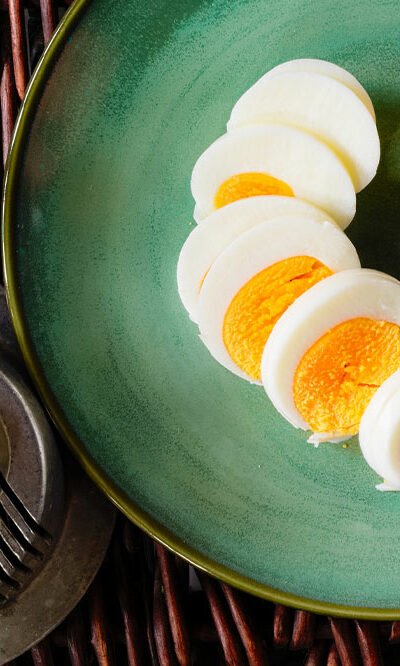
The next time a sugary treat entices you at the supermarket, consider the fact that almost 11% of the country’s population grapples with diabetes. Easy access to foods high in sugar and unhealthy fats has spurred an unprecedented increase in the number of individuals with diabetes. However, on the bright side, here’s a list of delicious and nutritious foods to indulge in without worrying about a spike in blood sugar levels. Hard-boiled eggs Hard-boiled eggs are high-protein, low-carb food sources that slow glucose absorption and aid digestion. Research suggests that consuming approximately two eggs a day has no adverse effects on the body in terms of cholesterol, blood sugar, and other parameters. Moreover, it typically enhances one’s fasting blood sugar levels. Boiled chickpeas The American Diabetes Association recommends chickpeas as high-fiber foods linked with low blood sugar levels. A bowl of boiled chickpeas garnished with pepper, lemon juice, and coriander leaves can fill one up till dinnertime! Fresh berries Berries such as strawberries, raspberries, blueberries, and blackberries are great additions to one’s meal plan if they have been diagnosed with type-2 diabetes. Berries typically have a low glycemic index and are packed with essential vitamins, fiber, and antioxidants. One may consume them directly or add them to their porridge and smoothies. Nuts One may stock up on walnuts, hazelnuts, almonds, pistachios, cashews, and peanuts, as these contain vitamin E, fiber, carotenoids, antioxidants, and healthy fats, making them ideal snacks for people with diabetes. However, avoid salted nuts as these are highly processed and may increase one’s risk for auto-immune conditions. Green soups and smoothies Broccoli, spinach, beet greens, kale, cabbage, and the like are considered nutritious leafy greens for individuals with diabetes as they have a low glycemic index, low starch, and high vitamin A and E levels. Thus, soups and smoothies with leafy greens, seasoned with some pepper and lime juice, are healthy, sumptuous snacks for regulating sugar levels.
4 foods that weaken the bones

4 foods that weaken the bones

It is no exaggeration to say that, at least biologically, people are what they eat. Bone health, especially, depends heavily on what one consumes. Certain foods, such as milk, soya beans, walnuts, salmon, broccoli, and spinach, strengthen one’s bones and joints. On the flip side, certain foods are terrible for the bones, making them brittle, porous, and vulnerable to damage. Some of the worst foods for the bones are listed here. Salt As much as salt benefits one’s health as a stabilizer and an antibacterial agent, excessive salt consumption saps the calcium from one’s bones over time. For instance, nutritionists believe that one loses approximately 40 milligrams of calcium for every 2,300 milligrams of sodium consumed. Sodium is one of the worst elements possible in this regard. Hence any foods containing it will be detrimental to one’s bone health. Excessive salt is usually found in canned vegetables, frozen meals, canned soup, store-bought baked goods, and other processed and over-packaged edibles. To counter such an excessive intake of salt, one can avoid processed food entirely, consume home-cooked meals, and control their salt content. Coffee Like sodium, caffeine also takes out calcium from all the bones in the body, making them brittle. As per certain research studies, people tend to lose 6 milligrams of calcium from their bones and teeth for every 100 milligrams of caffeine consumed. Coffee contains loads of caffeine, which makes it an avoidable food to keep the bones healthy. If one cannot avoid it entirely, one needs to consume it less frequently or try alternatives such as decaf coffees and tea instead. Cakes/pastries Like caffeine, sugar also harms one’s bones. People who consume too many sugary items such as cakes and pastries may not consume other nutrient-rich food. Instead of such foods, one can consume delicacies such as cranberries, prunes, and other antioxidant-rich items.
4 cancer-causing foods to avoid

4 cancer-causing foods to avoid

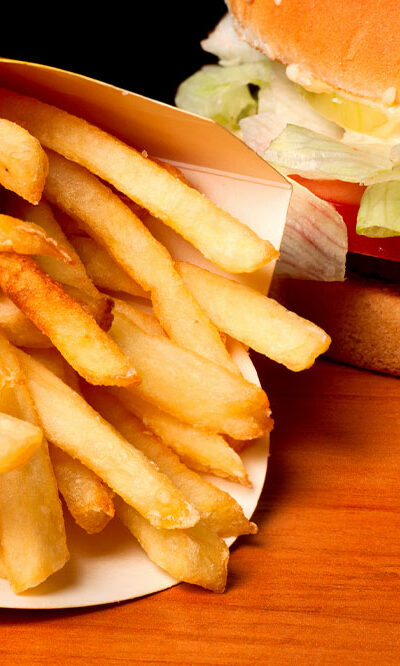
Eating certain foods can be hazardous to one’s health. In fact, unhealthy foods, coupled with unhealthy eating schedules, are the primary cause of cancer in a vast majority of individuals with the condition. Now, there are several foods that fall into this category. While each food listed here may contribute to other health hazards, the common thread that connects them is their specific carcinogenic components. Here are the foods that can cause cancer: White bread Refined carbohydrates and refined sugar are directly linked to increasing the risk of cancer in individuals. So, foods such as white bread, white rice, white pasta, baked sweets such as cakes and pastries, and sugar-heavy cereals need to be eaten in moderation or avoided altogether to keep cancer at bay. Refined carbohydrates are chemically stripped of vitamins, minerals, fiber, and other natural components that make them organically healthy. So, foods containing refined carbs and sugars can increase a person’s blood sugar and enhance the possibility of developing colorectal cancer and other malignancies. Farmed salmon Like other farmed fishes, farmed salmon leave consumers vulnerable to cancer if eaten regularly. Such fish are farmed and commercially raised in huge quantities. For preservation, farmers and businesses that farm and sell this kind of fish use a host of pesticides, antibiotics, and antivirals. These chemicals, used to prevent bacterial and parasitic growth in their fishes, have carcinogenic characteristics. Farmed fish does not even contain large quantities of omega-3 fatty acids, the main nourishing element found in non-farmed fish that is useful to fight cancer-causing elements. French fries Deep-fried foods are among the worst from any health-related perspective. Fried foods contain a compound known as acrylamide. Like other fried, starch-heavy foods, French fries also contain massive amounts of this chemical. Several research studies have found that acrylamide has serious carcinogenic properties, damages the DNA in a cell, and can eventually cause its death.