Dealing with symptoms, causes, and risks of cold, cough, and flu

Dealing with symptoms, causes, and risks of cold, cough, and flu

Typically, viruses cause the common cold. This includes head cold, chest cold, and even seasonal flu. Most people tend to simply use over-the-counter medicines to relieve the symptoms, which include a runny nose, cough, as well as congestion. In the following article, we will cover the symptoms, causes, and risks associated with cold, flu, cough, and virus. Symptoms Waking up coughing or sneezing are just some of the common symptoms associated with cold, flu, cough, and virus. Also, it is crucial to figure out the difference between cold and flu. While a cold is mild, the flu can be a little more intense. Here are some of the common symptoms associated with these conditions: Cold Cough Stuffy or runny nose Low-grade fever Having frequent body aches Mild headache Flu Runny nose Body aches or muscle pain Tiredness Sore throat Cough Stuffy nose A frequent sensation of throat clearance Shortness of breath Wheezing Heartburn Viral infection, on the other hand, can create a host of symptoms depending on what you contract, but the main symptoms would typically be from the lists above. Causes While the causes may seem similar, they differ for all three: cold, flu and cough. Here are the common causes for all of these conditions: Cold Rhinovirus Contraction through towels Contraction by touching utensils Touching the nose and mouth Flu The main cause of the flu is the influenza virus. It can not only infect the throat and nose but also the lungs. These viruses typically spread when people who have flu, sneeze, talk, or even cough. They can send out the droplets containing the virus in the air ,which are eventually inhaled by others. Cough Chronic obstructive pulmonary disease Blood pressure medicines Lung cancer Cystic fibrosis Idiopathic pulmonary fibrosis Laryngopharyngeal reflux Postnasal drip GERD (Gastro-Intestinal Reflux Disease) Sarcoidosis A viral infection, on the other hand, occurs when the body contracts a virus.

4 common sexual conditions and their symptoms

4 common sexual conditions and their symptoms

Sexual conditions or sexually transmitted diseases (STDs) generally affect a person through sexual contact. STDs are caused by bacteria, parasites, or viruses, which mainly enter the body through semen, blood, or other bodily fluids. They can enter the body non-sexually too; for instance, an affected person’s blood is used during a transfusion or if they share a needle with a person who has any form of STD. Herein, we discuss the various symptoms of a few sexual conditions. Symptoms STDs may have a range of symptoms or no signs at all. It mainly depends on the type of STD one may have. Here is a list of some common forms of sexual conditions and their symptoms. Chlamydia It is a bacterial infection that affects the genital tract. The symptoms may start to show a few weeks after the exposure. The most common symptoms include painful urination, abdominal pain, discharge from the penis, pain during intercourse for women, and testicular pain. Gonorrhea This is another bacterial infection that affects the genital tract, mouth, eyes, throat, and anus. Sometimes, the symptoms may take 10 days to show, or even months. The common symptoms of gonorrhea are thick or bloody discharge from the vagina or penis, burning sensation or pain during urination, heavy menstrual bleeding, swollen testicles that pains, painful bowel movements, and anal itching. Trichomoniasis Also referred to as Trichomonas vaginalis, this condition is caused due to a one-celled parasite. It occurs if one has intercourse with an infected person. It often does not cause any kind of symptom, and even if it does then that may take up to a month. The symptoms include clear, yellowish, white, or greenish vaginal discharge, discharge from the penis, strong vaginal odor, vaginal irritation or itching, itching inside the penis, pain during intercourse, and painful urination.
Understanding skin problems and some diseases that cause them

Understanding skin problems and some diseases that cause them

Skin problems are of several types, with varying symptoms and triggers. They don’t always last for a long time, and some skin diseases can be almost painless too, albeit mentally and emotionally traumatizing. As they’re so common, there are well-established treatments for almost all skin diseases. However, there is still a lack of proper knowledge about what can trigger them. Read on to understand the skin issues better. Symptoms There are various symptoms of skin conditions, depending on the type of issue you have. However, you must keep in mind that skin roughness or blisters may not be caused by skin-related issues at all. These can be caused by wearing a new shoe or a rough fabric. Some of the symptoms that are actually caused by skin problems include white or red raised bumps, an itchy or painful rash, rough skin, ulcers, peeling skin, open lesions, cracked and dry skin, fleshy bumps, discolored patches, changes to the mole size or color, warts, excessive flushing, and loss of the skin pigment. Causes The skin problems can be caused by a variety of reasons. The most common ones include bacteria that are trapped in hair follicles or skin pores, microorganisms that are living on your skin, different viruses, weak immunity, coming in contact with irritants or allergens, genetic factors, a variety of illnesses, and certain lifestyle-related factors. Below is a list of the most common health conditions that can result in skin issues. Inflammatory bowel disease : It is a group consisting of disorders that can result in long-lasting inflammation of your digestive tract. The medicines that are used for the treatment may result in skin issues like tags, stomatitis, anal fissures, vitiligo, vasculitis, and allergic eczema. Diabetes : Diabetes can cause different skin conditions, which are either the direct results of the disease or caused by problems with blood circulation or infections due to it.
Symptoms, causes, and risks of peptic ulcer

Symptoms, causes, and risks of peptic ulcer

Peptic ulcer affects about 4.6 million Americans every year. Peptic ulcer results in open sores forming on the upper portion of the small intestine and the inside lining of the stomach. The first one is known as the duodenal ulcer, and the second type is known as a gastric ulcer. Read on to know more about its symptoms, causes, and risks associated with this condition. Symptoms of peptic ulcer If you feel a burning pain in the stomach, then it can be a sign of peptic ulcers, as it is the most common symptom of the disease. The pain can get worse at night or between meals. The acid in your stomach makes it worse. Other than the pain, some other common symptoms of peptic ulcers include feeling bloated or full, intolerance to fatty food, nausea, and heartburn. Apart from these, the other signs may include: Vomiting with the presence of blood Presence of dark blood in the stool Trouble in breathing Feeling faint Nausea Sudden weight loss Change in appetite Taking acid blockers can relieve the pain temporarily. If it keeps coming back, you need to contact your doctor. Causes of peptic ulcer Stomach conditions may have a variety of causes, which is true for peptic ulcers too. Due to different reasons, the acid present in your digestive tract may start eating away at the inner surface of the small intestine or the stomach, which leads to the ulcer. Below is a list of the most common reasons that lead to this behavior. A bacterium The insides of your small intestine and stomach are covered by a protective layer called the mucus layer. A very common bacteria called helicobacter pylori lives in this layer. Sometimes, this bacterium can result in inflammation of the inner layer of your stomach, which eventually leads to ulcers.
Diet and nutrition tips for managing epilepsy

Diet and nutrition tips for managing epilepsy

According to studies, diet can help improve seizure control in people who suffer from epileptic seizures. While these studies have been based on strict diets such as the Ketogenic diet, recent studies have shown that less restrictive diets such as the Low Glycemic Index diet and the modified Atkins diet can also be helpful in managing conditions such as epilepsy. When it comes to diet and dietary habits, they can be very hard to change, especially when a lot of changes are administered at the same time. Also, it is common for one to get all excited about a “new diet” in the beginning, but people tend to lose all that enthusiasm after a while. So, trying to make one change at a time is probably the best, sustainable way to start a diet, especially one that can help them manage certain conditions effectively. Eliminating simple sugars: The very first and important step for following a diet and nutrition tips for living well with epilepsy is to eliminate foods that contain high amounts and concentration of simple sugars. This type of carbohydrates have high glycemic indices, which leads to them being absorbed rapidly by the body. Once one has eliminated these sugary foods completely for more than just a few weeks, they could probably find that one no longer has the desire to eat them at all. One’s body will be more satisfied with the next step of the diet—whole, natural foods. Following a whole, natural foods diet: The step of following a wholesome, natural diet is a complex one that needs to be broken down into smaller, simpler-to-follow step. Healthy food items which have extremely little to no processing factor at all should be included in the diet. Foods that are minimally processed have a maximum of 3 ingredients. So, if one spies a food label listing with more than 3 ingredients, then they can be sure that that food item is processed.
Things to know before using whitening toothpastes

Things to know before using whitening toothpastes

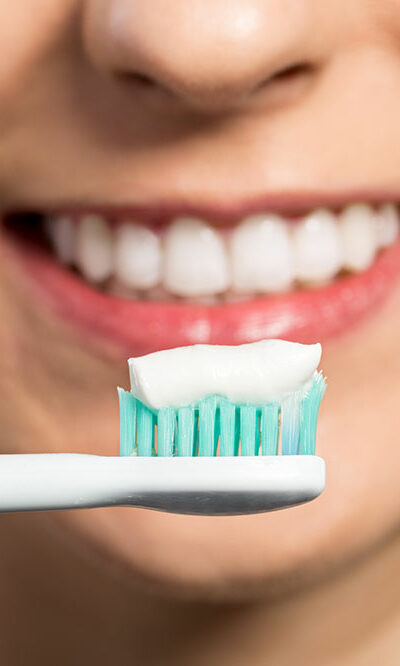
Important information you need to know about teeth whitening toothpastes Teeth staining and sensitivity are two of the most common issues present today. However, they are equally easily overlooked by a majority of people. While there are in-office treatments, over the counter medications, and other methods available to deal with these issues, the most convenient way is brushing. Although brushing might not give you instant results, it helps in putting up a consistent fight. Considering how neither sensitivity nor teeth staining can be cured once and for all, affordable teeth-whitening toothpaste for sensitive teeth is your best bet. Research has suggested that regular brushing with such specifically designed toothpastes helps remove surface stains caused by the foods we eat. This, however, does not help with the natural color of your teeth or the discoloration present beneath the surface. What you should know about teeth whitening toothpastes Whitening toothpastes can be abrasive, and they work by polishing the stains off. Some other types contain chemicals like peroxides that break down the stains. If you are worried that these might harm your teeth, you can opt for products that have items like charcoal or activated carbon and zinc citrate in them. Some other whitening toothpastes contain blue covarine. Instead of cleaning out the stains, blue covarine coats the teeth and provides instant whiteness. These, however, are superficial results and don’t actually help the staining issue. Which whitening toothpaste is the best? So if you haven’t been using teeth whitening toothpastes to get rid of teeth stains, we’re here to help. Given below is a list of affordable teeth-whitening toothpastes for sensitive teeth so that you know which are the best ones in the market. Colgate® Optic White® Contrary to most commonly available whitening toothpastes, this one works on intrinsic stains along with surface stains.
5 lawn care tips to maintain a lush green yard

5 lawn care tips to maintain a lush green yard

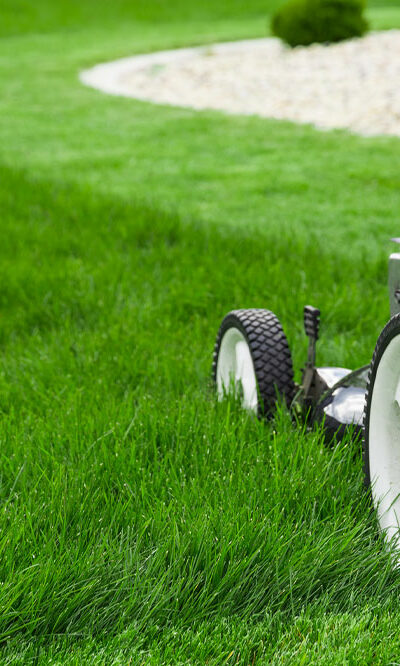
Lawn care and gardening can be hands-on jobs. It is not enough to simply plant some seeds, water the lawn a few times, and expect the best results. You can maintain a lush green lawn, but you need to be patient. Right from the first day of planting the grass to pursuing regular mowing, weed trimming, and every other activity, you need to put in the work. Here are a few useful tips to make lawn care easier for you. Seeds or sod, both work! You can buy grass seeds that are bioengineered to suit a particular climate. For the best results, consider using seasonal seeds. However, this is a time-consuming process. It takes a couple of months to grow a full lush green lawn. A quicker alternative is to consider a more expensive but quick sod plantation. You can also install pre-grown garden patches to quickly transform the layout. Either way, you end up with a lush green garden. Leaves cleanup and weed trimming Go easy on the cleanup, as natural leaves can help the soil fertilize and retain nutrients to improve grass quality. Get rid of unwanted debris and dried leaves with a mower instead of using a heavy rake. But be aggressive with weeds, as it can become difficult to uproot them once the roots grow strong. Consider applying pre-emergent herbicides to counter weed growth in the hotter months. If the saplings continue to mature by spring, it’s time to switch to weed killers, which can be applied evenly across the lawn. Water early in the morning Flooding the lawn will force the soil to retain more water and the grass to burrow its roots deeply. But sparsely watering the lawn can force the grass to go dry and not root into the soil before the sapling even matures.
5 smartphone habits to break right away

5 smartphone habits to break right away

Most of us can’t do without a smartphone. The gadget helps us communicate easily, find the information we’re looking for, shop for our favorite products, and so much more. On the downside, we spend hours glued to our screens. This can take a toll on our personal lives, affect physical and mental health, and even cut short the life of our devices. Here are some harmful smartphone habits to break immediately. Scrolling before bedtime Endless scrolling on social media before bedtime makes it hard to fall asleep at night, leading to restlessness and tiredness the next day. Screens emit a blue light that affects melatonin production in the brain, the hormone that controls a person’s circadian rhythm or sleep-wake cycle. Without melatonin, it can be difficult to fall or stay asleep. Experts advise keeping the phone away for at least an hour before bedtime. You can instead read a book or listen to a podcast to relax your mind.  Always keeping the phone with you If you keep your phone in your pocket, you’ll be constantly tempted to pull it out and browse. Not to mention, you’ll be on the alert for notifications. Therefore it’s best to carry it in your purse or backpack. If these options aren’t feasible, put the device on silent mode when keeping it on you. Purchasing cheap cables Smartphones are a long-term investment. Be it the latest iPhone or a flip phone, we want our gadgets to last for as long as possible. But, many don’t realize that something as simple as using cheap cables and chargers can damage electronic devices and reduce their lifespan. Faulty wires can permanently damage the battery and increase the risk of a fire or electrocution. So, invest in a quality cable to protect yourself and your phone.  Draining your battery completely Allowing the battery to drop to 0% could damage your cell phone.
Superfoods that help improve blood count

Superfoods that help improve blood count

Maintaining healthy blood count levels and circulation is vital for all organs to function optimally. A drop in blood count reduces oxygen supply to the tissues and may lead to anemia, fatigue, concentration issues, and other serious health concerns. Similarly, poor blood circulation causes cognitive dysfunctions, digestive problems, and muscle cramping. Studies show that certain foods help to maintain healthy hemoglobin levels. Women, especially during pregnancy and menstruation, can benefit from consuming them. What improves blood count and circulation? Foods rich in iron and vitamins A, B12, B9, and C, help maintain hemoglobin levels. Vitamin C aids in iron absorption. Additionally, vitamins B, K, C, and E and omega-3 fatty acids have shown to improve blood circulation. Potassium or vitamin K, in particular, keeps the walls of the blood vessels strong and prevents bulging veins. Apart from food, an effective way of instantly improving blood flow and oxygen levels is to indulge in physical activity daily, like running, biking, walking, or stretching. Top foods that improve blood count and circulation Here are some superfoods that support heart health, boost blood count, and improve blood flow: Beetroot Beetroot is a powerhouse of nutrients with iron, magnesium, copper, phosphorus, and several vitamins. This vegetable helps to regenerate red blood cells and increase hemoglobin count. Pomegranate Pomegranate contains antioxidants and nitrates that promote blood flow and oxygenation. Berries All kinds of berries are antioxidants. They help in blood circulation and protect the walls of the arteries. Oranges, gooseberry, grapefruit These three citrus fruits are rich in Vitamin C and can help in iron absorption, which boosts one’s blood count. Dates and raisins These dry fruits are packed with iron and vitamin C. Consuming a handful of these every day can give one an energy boost and maintain healthy hemoglobin levels. Figs Figs are rich in iron, magnesium, vitamin A, and folate and improve one’s hemoglobin levels.
Home remedies for dog allergies

Home remedies for dog allergies

Like humans, dogs, too, tend to develop certain rashes, allergies, and skin problems. While getting veterinary help is essential, minor problems can always be resolved with an effective home remedy. So, if you look to eliminate itchiness, discomfort, and redness in dogs, here are a few effective natural remedies to try out. Oat baths When it comes to doggy allergies, an oat bath is an excellent remedy. It washes away any allergens stuck on the dog’s coat and reduces inflammation. One must never use it during a yeast infection, as it can make it worse. To make an oat bath, one has to grind sugar-free, organic oats into a fine powder and then boil it with water. Using this to bathe the dog will provide them with relief. Apple cider vinegar Apple cider vinegar is a powerful antibacterial and antifungal agent. It can be used to clean a dog’s paws, ears and even fight off yeast infections. All one needs to do is take a clean spray bottle and add apple cider vinegar and water in a 1:1 ratio and spray it on the dog’s itchy spots for relief. Nonetheless, one must not spray it on wounds or bites. Baking soda Baking soda is an easily available and effective way to provide relief to itching caused by dog allergies. Create a simple paste using baking soda and water, and apply it to the dog’s itchy spots to alleviate itchiness and redness. Let it sit for 20 minutes before rinsing it off thoroughly. One can also add a little coconut oil to provide the dog with some moisturizing goodness. Aloe vera Aloe vera gel contains antibacterial, antifungal, and anti-inflammatory properties that help treat several problems. It reduces redness and discomfort, treats burns and itchiness, and provides cooling. Its application is simple:
4 types of shoes every kid should have

4 types of shoes every kid should have

Finding the right shoes for your kids can be tricky. There are hundreds of varieties on the market, featuring different styles, patterns, sizes, etc., which can leave you confused. Besides, your child can’t wear the same shoes they wore to gym class on a playdate. This means you would need to invest in more than one pair. To make things easier, we’ve listed three types of shoes that every parent must buy for their toddler. Slip-ons Slip-ons are easy for your little ones to wear by themselves. They’re typically worn without socks and are an excellent option for summer. Besides, these are more than just casual shoes, so your kid can wear them on playdates or birthday parties, too. Brands like TOMS offer dozens of slip-ons in different prints and materials suitable for both boys and girls. The shoes are true to size and adjust to the shape of your toddler’s feet for the best comfort. The price ranges between $30-70. Snow or rain shoes Your kid can’t go out in the snow or rain wearing casual sneakers or slip-ons. They’ll need shoes that keep their feet warm, dry, and comfortable. Machine wash shoes are better as footwear can get messy in the rains. You may also want to look for something that stays firm on their feet in different terrains. KEEN is a sought-after footwear brand that makes waterproof, durable, and quality shoes for toddlers. The shoes have an extra layer of insulation and thermal lining to keep your child’s feet cozy in snowy weather. They’ve got hiking boots as well for slightly older kids. Sneakers Kids love to run and jump around all day, and hence they can’t do without sneakers. You’ll need a solid and durable pair of sneakers for your toddler that doesn’t tear easily. At the same time, it should be lightweight and fit comfortably on the feet.
Smartphone habits to change today

Smartphone habits to change today

Smartphones are one of the most used gadgets on a daily basis. With new and innovative features being introduced with each upgrade, you can practically get anything and everything done as long as you have a stable internet connection. But these features can also lead to many bad habits that can be detrimental to your health and your device’s longevity. Here are four common mistakes people make and should break free from today. Buying cheap accessories Never buy cheap knock-offs or first-copy accessories for your phone, including charging and data transfer cables. Experts recommend using the ones that come with the box or switching to a superior make and quality. This is mainly a safety precaution to lower the risk of electrocution or the phone battery overcharging and bursting into flames triggered by cheap materials. Checking all notifications Notifications can be really distracting and time-consuming. Before you know it, you’ll find yourself constantly checking the phone for the latest updates. That’s a tough habit to break, especially if you are active on social media. It is only the beginning of smartphone addiction, so you must brace yourself and be mindful of the daily hours spent on the phone. React and respond only to important alerts only and try to ignore the rest of the apps until the end of the day. Relying heavily on the phone These days it might seem futile even to remember the numbers of immediate family members and friends, as we always have our phones on us. Without the phone contact list, you are completely lost and don’t know what to do. This isn’t good, and to avoid forming this habit, you must memorize essential numbers and details. Don’t rely heavily on the phone.  Using the phone alarm It can be tempting to set the alarm on your phone instead of buying an alarm clock.