10 must-have items for a complete wardrobe

10 must-have items for a complete wardrobe

Fashion enthusiasts or not, most people try to look classy, stylish, and appropriate for every occasion and experiment with styling options for different events. With new drops every few months, you get access to a wide array of clothes and accessories, making it tougher to decide things to buy and things to skip. To make the decision easier for you, here are 10 basic items that every closet should have: All-purpose knitwear Whether you prefer a fancy cashmere sweater, or something light and breathable, knitwear is a must-have. To dress it up, pop a knitted cardigan or coverup over your shoulders in the spring. Denim No wardrobe is complete without a pair of denim jeans. Whether high-waisted or low-waisted, skinny or flared, there is something for everyone. White shirt A white button-up shirt is a versatile must-have. Wear it with a blazer for a formal look, or pair it with a knitted skirt for effortless evening wear. Tailored trousers A relaxed but tailored pair of trousers can elevate any basic look. Trousers in neutral shades like camel or beige are a great choice to match with absolutely everything. Sneakers A great pair of sneakers are a staple for your closet. The perfect choice to run errands in, sneakers are practical and comfortable accessories. Striped T-shirt The striped tee (or marinière) has been a symbol of timeless French fashion since the 1850s and can be easily dressed up or down depending on the occasion. Leather jacket Leather jackets (or faux leather jackets) are a great investment as they can make any outfit look effortlessly cool. Classic coat A longline, tailored coat is a chic addition to basic outfits. Get them in an oversized fit to layer over any knits to wear them all year round. Basic T-shirt Basic tees are a no-brainer.

6 factors to consider when buying an SUV

6 factors to consider when buying an SUV

SUVs, also known as sports utility vehicles, are large, family-sized vehicles frequently seen on the road. They are among the safest and most spacious cars on the market, and because of their excellent fuel economy, they are also suitable for daily use. There are too many factors to consider when selecting the right type of car, which can make the process tedious. Here are the top features to look for when purchasing an SUV. Size requirement The majority of SUVs can seat at least five people. Many mid-sized and full-sized models come with a third-row seat option, bringing the total number of seats up to six or eight. However, cargo space in three-row SUVs is limited when the third-row seats are upright. Knowing what size you need before going to the dealer will make the process much easier. Type of SUV There are two types of SUVs: crossovers and conventional. Crossovers are often smaller and have better handling like a car, whereas conventional vehicles drive more like trucks and frequently have more power or towing capacity. Consider either, depending on your driving style and whether your new vehicle will be hauling trailers or heavy loads. Safety options Another important factor to consider when buying an SUV is its overall safety. SUVs have been known to roll over occasionally. Newer SUV models are designed to be safe and meet stringent standards. Most SUVs have airbags and antilock brakes, and many have additional safety features such as rearview cameras, lane departure warning systems, and blind spot warning systems. Two-wheel or four-wheel drive These vehicles are available in two-wheel or four-wheel drive configurations. A two-wheel drive vehicle will be useful if you live in a city. It is also easy to maintain and saves fuel. A four-wheel-drive car, however, may be a better choice if you are navigating lousy weather or difficult terrain.
Nutrient dense foods to eat for menopause

Nutrient dense foods to eat for menopause

Menopause marks the end of the regular menstrual cycle. If a woman doesn’t get her period for over 12 months, her body will undergo a series of metabolic changes. Menopause can trigger several discomforts ranging from physical symptoms like hot flashes and night sweats to emotional disturbances like mood swings and personality changes. However, it is possible to manage menopause with simple changes in daily nutrition and lifestyle to improve the outlook in the long run. Cruciferous vegetables, leafy greens, and berries Several research studies explain why including more green vegetables and berries helped women experience fewer hot flashes associated with menopause over time. Top picks include broccoli, cauliflower, and dark berries, which help increase estrogen levels and further lower the risk of breast cancer complications. Dark greens and leafy vegetables like spinach, chard, leaf lettuce, and beet are also rich sources of calcium, fiber, potassium, magnesium, and B vitamins. These nutrients are essential for regulating mood and energy to lower the impact of menopausal hormone changes that affect one’s personality. Healthy omega-3 fatty foods Omega 3 fatty acid is one of the crucial anti-inflammatory compounds to include in daily nutrition to help manage hot flashes and lower the severity of night sweats experienced during menopause. Fatty fish like salmon, tuna, mackerel, herring, and sardines are loaded with omega-3s. Chia seeds, hemp seeds, and other assorted nuts are also good sources of healthy fats. Foods rich in calcium and vitamin D Low levels of estrogen triggered due to hormonal changes affect calcium levels in the body. This, in turn, increases the risk of osteoporosis, among other bone and joint problems. Including more calcium-rich foods and beverages are essential for maintaining healthy bones. Fortified milk, yogurt, and cheese are healthy sources of calcium, vitamin D, and vitamin K nutrients that help strengthen the bones preventing flare-ups and complications.
6 mistakes to evade while buying an e-bike

6 mistakes to evade while buying an e-bike

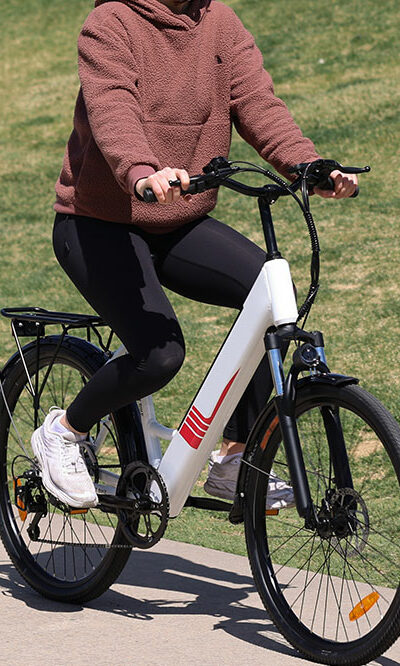
Bicycles have become increasingly popular in the last few years. While people looked for ways to stay fit outside the gym and alternatives for public transportation, the sale of e-bikes rose by leaps and bounds. Rising gas prices further fueled the e-bike trend. With price tags ranging between $1,000 to $10,000, an e-bike is a serious investment. Here are six mistakes to avoid when looking for the right electric bike model for yourself: Buying the least expensive bike Quality is worth paying for when purchasing an e-bike. Cheap parts can wear out within the first 500 miles, and replacement parts may be difficult to source. So instead of buying the cheapest option, look for one that offers great quality and an attractive warranty. Not comparing batteries E-bike batteries differ in output based on their brand and manufacturer. So before making a purchase, check the peak voltage and amp hours to find the best fit for your biking needs. Not understanding drive system differences E-bikes generally offer two different drive systems – mid-drive and hub motors. Mid-drive systems are typically lighter, more efficient, and a natural extension of your efforts. They are easy to drive on flat grounds. On the other hand, hub motors are typically heavier but more powerful for hill climbing. Consider these requirements and lifestyle preferences before purchasing an e-bike. Not getting a warranty Batteries for e-bikes are the most expensive components. Although battery technology has advanced rapidly in the last few years, these parts are not faultless. Most manufacturers issue a warranty with their e-bikes or engines during a sale. An e-bike sold without a warranty is a testament to its poor engine quality, so be careful when making a purchase. Buying the wrong size Unfortunately, e-bikes aren’t one-size-fits-all. So when buying an e-bike, look for a comfortable driving fit to avoid future pain, which means buying one at a comfortable height, that offers comfortable and optimal leg extension and encourages your natural posture without hurting your back or neck.
5 smoothies to help curb arthritis and joint pain

5 smoothies to help curb arthritis and joint pain

The pain caused by arthritis is often agonizing. It is a broader term for joint pain or joint diseases, and its effects can be disabling and prevent one from indulging in regular activities. Eating certain foods may also help one tackle the symptoms of arthritis. However, constantly having limited meals can be tiresome. Therefore, here are six healthy and delicious smoothie ideas to help one manage arthritis and joint pain. Pineapple anti-inflammatory smoothie Pineapple juice is rich in enzymes like bromelain that can reduce pain caused by arthritis. You can make a delicious smoothie by mixing other ingredients with anti-inflammatory properties, like romaine lettuce, cilantro, and ginger, to create a healthy smoothie. Add water occasionally until the blend reaches a consistency of your liking. Blueberry kale smoothie Berries like blueberries are known for their rich antioxidant and anti-inflammatory properties. Blend three-quarters of the food with a cup of kale, bananas, two pitted dates, and half a tablespoon of almond butter, and top it with low-fat milk. This combination may help fight the effects of arthritis pains. One can also try making a smoothie with other berries, including blackberries, raspberries, and strawberries, as they have similar properties that may help curb arthritis inflammation. Vanilla matcha protein smoothie Matcha is a powdered green tea leaf rich in antioxidants known to reduce inflammation and curb cartilage breakdown. To make the smoothie, you will need a scoop of vanilla powder, half a teaspoon of honey, fresh vanilla bean, two teaspoons of matcha green tea powder, and a cup of low-fat milk or almond milk. Combine these properties in a blender, and you’ve got yourself a healthy smoothie for joint pain. Broccoli smoothie Eating vegetables like broccoli could introduce multiple antioxidants and anti-inflammatory properties essential to tackle arthritis. It is also easy to make as you only need a handful of broccoli, kale, half a cucumber, and a thumb-sized piece of ginger.
4 breathing errors to avoid for healthy lungs

4 breathing errors to avoid for healthy lungs

Respiration is a vital function for survival, but certain breathing habits can significantly affect lung health. The body has a natural defense system to prevent dirt, germs, and bacteria from entering the lungs, and the right practices can help you maintain optimal function. Further, you can take a few important steps to lower the risk of respiratory issues. So, here are common breathing mistakes to avoid for maintaining lung health: Shallow breathing Shallow breathing, or chest breathing, is a common error that involves taking quick, short breaths that only fill the top portion of the lungs. As a result, the lungs do not get enough oxygen, which can cause fatigue, dizziness, and even anxiety. To avoid shallow breathing, practice diaphragmatic breathing, i.e., taking deep breaths that fill your belly with air. First, inhale slowly through the nose, with one hand on the belly and the other on your chest, and feel your belly rise with each breath. Then, exhale slowly through the mouth and repeat for several minutes. Holding your breath Another common mistake you can make, especially when exercising, is holding your breath. This can lead to a lack of oxygen in the lungs, increasing the risk of fatigue, dizziness, and even fainting. So, you should exhale slowly during the most difficult part of the exercise or physical activity. This will help you maintain a steady oxygen flow to your lungs and muscles, allowing you to work out better and avoid injury. Mouth breathing When you breathe through the mouth, you inhale dry, unfiltered, and unmoisturized air. This can irritate the throat, cause dry mouth, and even increase the risk of respiratory infections. So, you should try to breathe through your nose as much as possible. The nose filters and warms the air, lowering the risk of respiratory infections and protecting your lungs.
5 fashion follies to steer clear of

5 fashion follies to steer clear of

In the vibrant world of fashion, even the most stylish individuals can occasionally stumble into sartorial pitfalls. Picture the horror of ill-fitting clothes, overaccessorizing disasters, or a poorly thought-out clash of patterns. But fret not; learning the basics of some common fashion faux pas will let you steer clear of unsuitable trends. So, sharpen your fashion senses and embark on a stylish journey with these simple yet invaluable style tips! Ignoring proportions Proportion is a fundamental element of fashion that can greatly impact your overall appearance. One common mistake is ignoring the balance between different clothing items and body proportions. For example, pairing oversized tops with oversized bottoms can create a bulky and unflattering silhouette. Instead, aim for a balanced look by pairing loose-fitting items with more fitted pieces. Pay attention to the proportions of your body and experiment with different clothing combinations to find what works best for you. Following trends blindly While it’s fun to stay updated with the latest fashion trends, blindly following them can lead to a lack of authenticity and personal style. It’s important to remember that not every trend will suit your individual taste, body shape, or lifestyle. Instead of jumping on every trend bandwagon, take the time to understand what truly resonates with your personal style. Embrace trends selectively and incorporate them in a way that aligns with your unique fashion identity. Neglecting the power of tailoring One of the biggest secrets to looking polished and put together is the art of tailoring. Many individuals make the mistake of wearing off-the-rack clothing without considering alterations. However, even the most expensive clothing can look lackluster if it doesn’t fit well. Tailoring allows you to customize your garments to your unique body shape, ensuring a sleek and flattering fit. Don’t underestimate the transformative power of a well-tailored outfit!
4 tips for protecting the eyes while traveling

4 tips for protecting the eyes while traveling

When packing for a vacation, one is likely to load up on sunscreens and other skin essentials while overlooking the effects of extreme weather and sunlight on the eyes. Leaving the eyes unprotected can increase the risk of retinopathy, photokeratitis, and corneal thickness, which can lead to vision-related complications. So, one should be prepared for extreme weather conditions, dry air, and excessive sun exposure. Here are some tips for protecting the eyes while traveling: Avoid contact lenses for long trips Although it might feel convenient to wear contact lenses while traveling, most healthcare professionals suggest otherwise. This is because longer trips—either by car or airplane—come with constant temperature fluctuations and low humidity, irritating the eyes. Moreover, when traveling long distances, one may fall asleep without removing the lenses, which is a huge risk factor for eye infections. So, as an alternative, one must stick to eyeglasses on long trips. Additionally, on a road trip, the air vents should be directed away from the eyes to keep the glasses from fogging up. Pack eye care essentials If prone to allergies due to changes in weather, altitude, or air quality, one needs to pack allergy treatment options before leaving for a trip. Here, allergy-specific eye drops can come in handy. Further, when dirt or dust enters the eyes, many may choose to wash it away with tap water. However, tap water in public washrooms in some parts of the world could have irritating impurities and minerals. So, one should use sterile eye washes to get rid of the irritants. In addition, one must pack hats, top-notch sunglasses, and swimming goggles to protect the eyes. Manage eye strain One of the most common issues while traveling is eye strain, usually brought on by increased screen time and poor lighting. Although the discomfort can seem harmless, it can make the eyes susceptible to infections.
Signs indicating a pet dog is sick and what to do

Signs indicating a pet dog is sick and what to do

Dogs are cherished members of our families, and their well-being is a top priority for all pet parents. Recognizing signs that your dog might be sick is essential for providing timely care and ensuring their health. While dogs can’t communicate their discomfort through words, they do display various physical and behavioral indicators that can alert you about their illness. Here are some common signs that your dog might be sick: Changes in Appetite Signs: A sudden loss of appetite or a significant decrease in food consumption. What to Do: Keep an eye on your dog’s eating habits, as a persistent lack of appetite could indicate underlying health issues. Consult your veterinarian if the change persists. Vomiting and Diarrhea Signs: Frequent vomiting or diarrhea, especially if the excreta contains blood or mucus. What to Do: Ensure your dog stays hydrated by providing small sips of water. Don’t give food for a few hours and then reintroduce a bland food regime. If vomiting or diarrhea continues or worsens, seek veterinary care. Lethargy Signs: A sudden or prolonged lack of energy, reluctance to move, or inability to engage in usual activities. What to Do: Pay attention to changes in your dog’s activity level. If they appear lethargic and it persists, it’s time to consult your veterinarian for an evaluation. Changes in Urination Signs: Increased frequency of urination, difficulty urinating, or blood in the urine. What to Do: Changes in urination habits could indicate urinary tract infections or other problems. Consult your vet, especially if your dog seems uncomfortable or in pain while urinating. Coughing or Labored Breathing Signs: Persistent coughing, wheezing, or difficulty breathing. What to Do: Respiratory issues can be serious. Seek veterinary care, especially if your dog’s breathing becomes rapid or distressed. Changes in Weight Signs: Unexplained weight loss or gain.
7 heart-healthy breakfast ideas to kickstart the day

7 heart-healthy breakfast ideas to kickstart the day

Research has shown a correlation between nutritional choices and heart health. Out of all meals, breakfast plays an important role when it comes to reducing the risk of metabolic and cardiovascular diseases. A heart-friendly breakfast can set the tone for the rest of the day, providing essential nutrients and energy to keep one going. So, here are 7 heart-healthy breakfast ideas that are not only delicious and nutritious but also easy to make: 1. Overnight oatmeal Rolled oats soaked overnight in milk or dairy-free alternatives with a sprinkle of chia seeds, a touch of honey, and fresh berries can be a filling, heart-healthy breakfast. The fiber in oats helps lower bad cholesterol levels, promoting heart health. 2. Avocado toast Avocado is rich in monounsaturated fats, which have been linked to lower levels of bad cholesterol and a reduced risk of heart disease. Here, one can layer thin avocado slices on whole-grain toast and season with salt, pepper, and red pepper flakes. Fresh herbs, lemon juice, or even a poached egg can also be added to the recipe. 3. Vegetable smoothies Smoothies with leafy greens like spinach or kale, along with cucumber or celery, can be nutritious, as these veggies are packed with vitamins, minerals, and antioxidants that contribute to better heart health. One can add strawberry, pineapple, mango, or peanut butter to the smoothie for natural sweetness. 4. Smoothie bowls This recipe calls for a thick smoothie base made of fruits or veggies, cereals, yogurt or milk, and nut butter blended together. Avocados, carrots, leafy greens, papaya, bananas, frozen berries, peaches, and low-fat yogurt are usually added to smoothie bowls. These ingredients contain antioxidants, fiber, and vitamins, which support heart health. One can top the bowl with nuts, seeds, and fresh fruit for added texture and flavor. 5. Cottage cheese with fruit Cottage cheese provides protein, calcium, B vitamins, and phosphorus, making it a filling and nutritious breakfast option.
6 most unsafe places to hide jewelry at home

6 most unsafe places to hide jewelry at home

Despite the advent of cutting-edge security systems, jewelry theft remains a prevalent issue across the country. Therefore, homeowners should exercise caution while storing jewelry at home. Although these security systems allow for efficient prevention and detection of such crimes, failure of these systems increases one’s susceptibility to jewelry theft. Consequently, one should not only be alert at all times but also avoid hiding their jewelry at specific spots that thieves almost always remember to check: Toilet tank Although the toilet tank was once considered a good jewelry hiding spot, it has become a popular location due to its portrayal in movies and TV shows. Unfortunately, this makes it an obvious target for thieves. Moreover, there is an added risk of one’s jewelry getting tarnished due to excess moisture in the tank. Drawers Drawers are among the most obvious places to hide jewelry; therefore, robbers are sure to rummage through drawers when trying to steal one’s valuables. Hence, one should avoid hiding jewelry in drawers, even if it is kept inside boxes or sub-lockers. Freezer It is estimated that over one in four individuals hide their jewelry in the freezer. Hence, it has emerged as a common place for homeowners to hide jewelry and one of the spots that seasoned burglars typically do not miss checking. CD and DVD cases Burglars usually check drawers and shelves thoroughly upon breaking into a house. Hence, CD and DVD cases are likely to be scrutinized by them and are not good places to hide jewelry. Under the mattress While mattresses conceal the items hidden underneath them quite well, they have become common places to hide jewelry. Thieves who understand this tactic would surely check under mattresses for hidden ornaments. The jewelry box Although, as the name suggests, a jewelry box is meant to store jewelry, it is ironically one of the most obvious places robbers would check first.
Top 5 buy now, pay later providers for getting a new phone

Top 5 buy now, pay later providers for getting a new phone

A new phone can be expensive, especially the latest models. To help finance it, one can avail of several buy now, pay later (BNPL) plans. These plans make big-ticket purchases more affordable. They let individuals get what they want and pay for it later while charging zero interest and minimal fees in many instances. Read on to learn more about the five top BNPL providers and how they can help users finance their next phone. Affirm Buyers can use Affirm to finance their phone purchases. Before approving the claim, the company may perform a soft credit check and consider the individual’s payment history, debts, income, and bankruptcies. Affirm partners with several major retailers and offers pay-in-four and monthly plans to its customers. While its pay-in-four plans are interest-free, the monthly options may have an interest between 0% to 36%. Afterpay Afterpay offers plans that are similar to Affirm’s. Buyers can avail of an interest-free pay-in-four plan or opt for a monthly plan of either six or twelve months for payments larger than $400. Interest rates on the monthly plans may vary between 6.99% and 35.99%. Klarna Klarna is another famous company that has BNPL plans. It tends to be lenient with past customers who have favorable payment histories or ratings. The provider offers two interest-free payment plans: the pay-in-four (equal installments) and the pay-in-30 days. Apart from these, customers can also opt for monthly payments, which may be charged with an interest rate between 7.99% and 33.99%. Please note that the company does charge for late payments, which may damage credit scores. Sezzle With Sezzle, buyers can find pay-in-four plans and long-term financing options for phone purchases at major retailers. Sezzle allows customers to reschedule a payment for free once per purchase and also provides an option to boost credit scores with on-time payments, which can be beneficial.