4 pillow-assisted sleep positions for better health

4 pillow-assisted sleep positions for better health

When an individual sleeps, their body works to restore and repair itself. However, their sleeping position, especially with pillows, could affect this restoration process by influencing the spine’s natural curvature. To improve sleep quality and prevent discomfort, people with problems like back or neck pain, difficulty staying asleep, and waking up feeling unrested should change how they use pillows. Keep reading to find out five sleeping positions to try with pillows and their impact on health. Side sleepers When one sleeps on their side, they should use a medium-soft pillow. They would do well with a lofted pillow that fits between the neck and mattress and is sturdy enough to keep the head from sagging down. One should avoid pillows that are too firm, crane the neck upward, and may cause neck pain. A side sleeper could also put a thick, firm pillow between their legs, with the knees even or the top knee narrowly staggered to keep the hip from pulling forward and straining one’s lower back. Back sleepers Some people may sleep on their backs, which is ideal to prevent neck and back pain. Such individuals must pick a thin pillow with a lower loft to keep the neck in a neutral position. It may also be helpful to find material with more body, such as a feather or buckwheat pillow. These options help fill the space between the neck and mattress while supporting the neck. Stomach sleeping While stomach sleeping is usually discouraged, it might work for those with respiratory complications and acid reflux. When sleeping on the stomach, the waist may tilt forward, making the position stressful for the lower back. So, for maximum comfort, one should put a pillow under their pelvis, which may help maintain spin alignment. A thicker pillow may force the neck to tilt back too far.
4 errors to avoid when choosing food packaging machines

4 errors to avoid when choosing food packaging machines

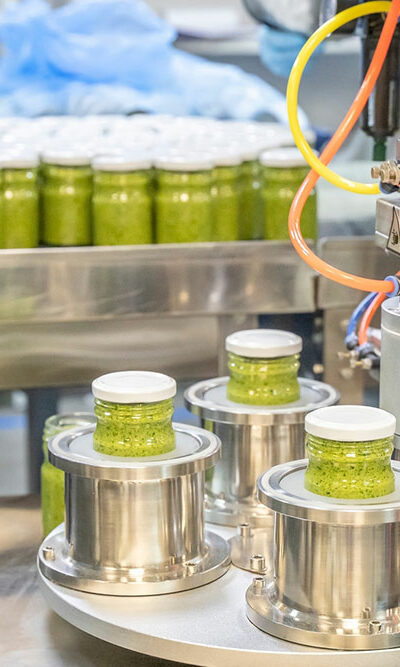
When dealing with food, its packaging requires precision and careful handling to prevent food spoilage. Further, to get the packaging right, it is important to have the right equipment in place. The right food packaging machine is one that meets all the requirements at the right price. So, while getting food packaging machines, one should do some research to find the best option. Additionally, one should avoid the following mistakes: 1. Not setting a budget With so many options in the market, it is important to look up prices of food packaging machines and then set a budget. Such equipment can be expensive, so setting a reasonable budget and looking for machines that offer good value for money can help one avoid making a costly mistake. One can also consider buying used machines to save money. However, the used food packaging machine should be well-maintained, i.e., not require a lot of repairs. 2. Choosing the wrong type of machine Different types of machines package different types of food items. When dealing with dry, powdered food, an auger filling machine is a good choice. For packaging liquid, one should get liquid pumps. One may need more than one type of machine if dealing with multiple products. So, one should first evaluate their business requirements and product type and then choose a food packaging machine accordingly. 3. Skipping research One should look up reliable food packaging equipment manufacturers and top-rated packaging machines. One can also check online reviews for the brand and machine and even ask questions that other users or the company itself can answer. This can help one learn about the machines and make an informed decision. 4. Refusing after-sales service After making a purchase, one should make the most of the after-sales service and demo (if any). This is an important part of the purchase process that can help one avoid unwanted surprises.
15 Hidden Samsung Watch Hacks Users Must Know

15 Hidden Samsung Watch Hacks Users Must Know

Smartwatches have gained immense popularity in recent years. The latest models can perform tasks like tracking fitness, answering calls, and scrolling through an in-built gallery. While several options are available, Samsung’s Galaxy Watch5 and Watch6 are among the most well-known. Users appreciate their Bixby smart assistant and intuitive interface. However, these wearables also have other advanced features. Here are 15 hidden Samsung watch hacks people typically do not know about. 1. Customize the watch face The Samsung Watch6 is equipped with several dozen pre-made watch faces. However, if someone doesn’t like these, they can download third-party applications and get new ones. Users can also customize the clock font, color, layout, and more via the Galaxy Wearable app. 2. Adjust the screen timeout interval By default, the Samsung Watch6’s display turns off after 15 seconds of inactivity. However, users can change the screen timeout to suit their needs. For instance, one can change it to 30 seconds or a minute. It’s also possible to keep the display running at all times by accessing the “Always On” feature. 3. Activate health tracking Users can switch on the health tracking features via the Samsung Health Monitor app on their cell phones. One can choose to monitor heart rate, stress levels, blood oxygen during sleep, snore detection, skin temperature during sleep, and more. This feature is invaluable for those switching to a healthier lifestyle. 4. Reorder the screen Individuals can move the apps and widgets on a Samsung Watch to suit their needs. It’s advisable to keep the most used apps front and center to avoid unnecessary swiping. 5. Take screenshots Users can take screenshots on the Galaxy Watch5 or Watch6 by simply swiping from the screen’s left to the right edge while holding down the home button. The images are saved in the local storage and must be manually transferred to one’s phone.
Shopify’s Plans, Deals, Pricing, and Features Explained

Shopify’s Plans, Deals, Pricing, and Features Explained

There are many e-commerce websites available on the web that let entrepreneurs create their online stores without the help of web developers or coders. One of the well-known and trusted websites is Shopify. It was started in 2006 and has become one of the largest e-commerce platforms with 800,000 online stores, 3,000 employees, and $63 billion in revenue. Let’s understand Shopify deals and features in detail. Shopify deals and plans On Shopify, entrepreneurs can set up their store without entering their payment details but only for the first 14 days. They offer a 10 percent discount on annual plans and 20 percent on biennial when paid upfront. There are three main types of Shopify deals and plans – Basic Shopify Plan, Shopify Plan, and Shopify Advanced Plan. Additionally, a Shopify Lite deal costs $9 per month and gives access to an embedded “Buy Button.” You can issue gift cards, view reports but can’t build an online store. The Basic Shopify Plan costs $29 per month. In this deal, sellers can list unlimited products, get better access to sale trends, and have lower transaction fees. The Shopify Plan sellers have access to features such as professional reports and international pricing. The plan is priced at $79 per month. Shopify’s Advanced Plan is an excellent option for retailers looking to create more than 2+ online stores. It costs $299 per month and has various additional features. Shopify features Shopify has about 70+ professional themes to pick from. Customers browsing online stores can also do so through any mobile or tablet device. This platform gives an option of purchasing a particular domain name and full access to the HTML and CSS of the store. The stores get a free 256-bit SSL certificate so that all the content is fully secure. There are more than 100 external payment gateway options.
4 best lactose-free milk products to buy in 2021

4 best lactose-free milk products to buy in 2021

Milk has recently come under scrutiny for its high lactose content. The human body has no problem with lactose when young. However, as one gets older, lactase, an enzyme that breaks down lactose into simple sugars, decreases. This makes it difficult for the body to tolerate milk sugar. Therefore, lactose intolerance is a common problem. People that are lactose intolerant can go with lactose-free milk products, which contain lactase to help digestion. Many brands sell lactose-free milk, but here are the best of them. Westsoy unsweetened soymilk Certified by USDA Organic, a certificate granted to all organic agricultural products, Westsoy unsweetened soymilk is high in protein. It contains no nuts and gluten, and most importantly, is free of lactose. It is made from natural organic ingredients that are as good and healthy as the ingredients in regular milk. Also, it doesn’t contain additional ingredients like sweeteners or additives and is a good source of potassium as well as iron. So Delicious coconut milk With over 30 years of experience in dairy-free spaces, So Delicious sells frozen desserts, melty shreds, creamy yogurt alternatives, and smooth plant-based beverages and creamers. Its coconut milk is lactose-free, gluten-free, and contains no artificial flavors or colors, hydrogenated oil, and trans fat. It is certified vegan and is a great substitute for dairy milk. Silk almond milk This almond milk by Silk is low in fat but is a good source of calcium, making it great for the bones. It also doesn’t contain saturated fat, cholesterol, almonds, and fructose corn and is an excellent source of iron, potassium, and vitamin D, A, and E. It has a bit of vanilla flavor as well, providing 450 mg of calcium per cup serving, which is 50% more than regular dairy milk. Califia Farms oat milk This oat milk tastes delicious and feels just like dairy milk.
4 best foods for hemophilia

4 best foods for hemophilia

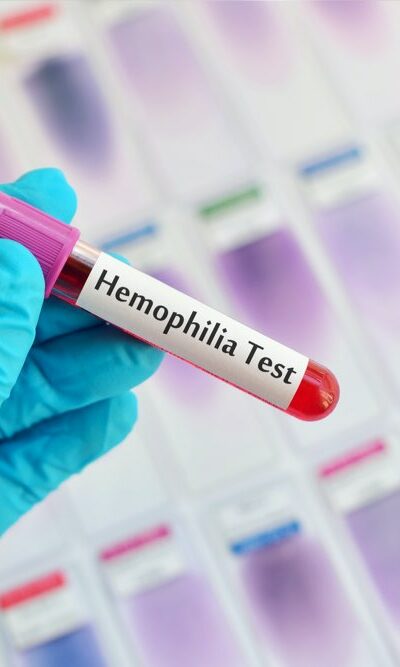
Hemophilia is a genetic disorder that is mostly diagnosed at a young age. The blood doesn’t clot as it should in people with this disease, causing excessive bleeding, which can turn life-threatening. The condition largely occurs due to the absence of certain blood-clotting proteins (called clotting factors), although it can also be acquired due to an immune system issue. Physical therapy, clot-preserving medications, and vaccinations are viable treatment options. Alternatively, certain food choices can also help manage the symptoms and prevent the condition from worsening. In this article, we’ll take a look at some of the beneficial foods to eat for people with hemophilia: Whole grains Oatmeal, brown rice, and barley are a few of the healthiest whole grains to eat for hemophilia patients. These foods contain fiber and nutrients that help stabilize blood glucose levels. By lowering the risk of heart disease and stroke, these foods prevent serious complications associated with hemophilia. Whole grains also reduce chronic inflammation, which can be touted as a major contributor to internal bleeding. Calcium-rich foods Important for the growth and maintenance of the bones, calcium is paramount for hemophilia patients. The nutrient helps keep tooth and bone health in check, preventing damage and subsequent blood loss. Also, the lack of calcium increases the risk of several diseases, some of which are known to cause internal bleeding and muscle damage. Dairy products are the standout sources of calcium, along with fish like sardines and pilchards. Leafy greens Dark, leafy green vegetables like kale and spinach are loaded with minerals that can help manage hemophilia and its possible complications. Collard greens are also great options, as they’re a good source of vitamin K that helps in blood clotting. The vegetable might also prove useful in maintaining bone health. At the same time, cabbage and beet greens come with their own list of benefits for people with hemophilia.
Lung cancer – 6 foods to avoid

Lung cancer – 6 foods to avoid

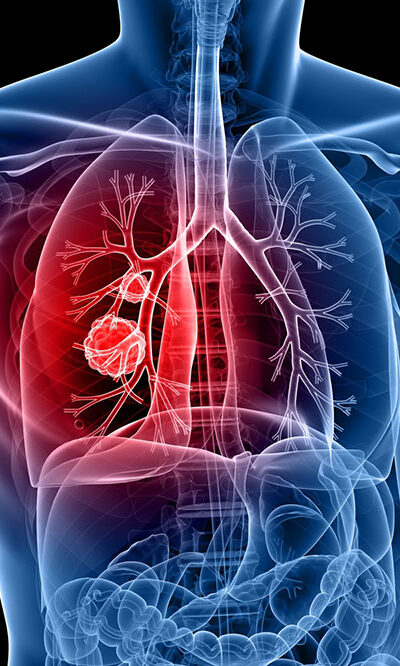
Nutrition plays an important role in the treatment of lung cancer and the correct kind of nourishment can help speed up recovery. To strengthen a compromised immune system and support treatment, the right kind of food is required. There are some foods that need to be avoided and some that need to be cooked with care to prevent food poisoning and illness. Here is a list of some such foods. Eggs Avoid eating eggs unless absolutely sure that they haven’t been unrefrigerated or cracked. Home-cooked is safest because eggs could carry salmonella that cause food poisoning and sometimes even death. Uncooked yolks are a complete no-no, and definitely do not eat foods that could have raw eggs in the final product. This includes even some salad dressings. Cured meats Processed and uncooked meat like cold cuts can carry the listeria bacteria that could cause food poisoning. Cheese Not all cheese, but some soft ones like Brie and feta that could be made from unpasteurized milk should be off-limits. In fact, any milk or dairy products including cream or custard-filled sweets that could be made from unpasteurized milk should be avoided because raw milk can contain bacteria like E. coli, listeria, and salmonella that may cause food poisoning. Sprouts and leafy greens Bacteria grow well in warm moist conditions and so do raw vegetable sprouts. Don’t eat these uncooked. Leafy greens are healthy but hard to clean. Avoid adding these to an eating regime to reduce the risk of illness. Sushi Shellfish that are raw or undercooked can carry the Hepatitis A virus. Lightly cooked fish and sashimi can have bacteria that can make one ill. Well-cooked fish (some types) can also have high levels of mercury. Caffeine Avoid caffeinated drinks as these can cause constipation brought on by loss of fluids.
5 cities with the highest rates of lung cancer

5 cities with the highest rates of lung cancer

Lung cancer is among the most common causes of cancer-related deaths in our country. While smoking and an unhealthy lifestyle are the major risk factors associated with lung cancer, the disease can also result from breathing poor quality air. Places with a lot of air pollution are therefore known to report more lung cancer cases. In this article, we have listed five cities that have the highest rates of lung cancer. Jefferson County Jefferson County, Kentucky, is one of those places that reports the maximum number of new lung cancer incidents. This city reports approximately 765 new lung cancer cases every year and about 501 lung cancer-related deaths. Marion County Situated in Indiana, Marion County ranks jest below Jefferson County when it comes to lung cancer cases. The county registers approximately 77.2 new cases of lung cancer per 100,000 people every year. It also reports 506 lung cancer deaths per year on average. Cheyenne Cheyenne, Wyoming, was once one of the wealthiest counties of our country and was known for its cattle industry. Today, unfortunately, it ranks among the cities with the most number of cancer patients. The region has a high prevalence of respiratory tract inflammatory diseases, which increases the risk of lung cancer. Besides lung cancer, Cheyenne reports several cases of cancers found in the bronchus, breast, prostate, colon, and rectum. El Paso Also known as the “Six Shooter Capital” of Texas, El Paso is the birthplace of our favorite cocktail, the margarita. Sadly, many people living in El Paso are active smokers and are thus highly susceptible to lung cancer and other respiratory disorders. Other common cancers observed in El Paso are acute myeloid leukemia and cancers of the oral cavity, stomach, liver, kidney, and renal pelvis. Tulsa While people living in Tulsa, Oklahoma, do not indulge in binge drinking, the city fares poorly in terms of smoking.
3 trigger foods that asthma patients should avoid

3 trigger foods that asthma patients should avoid

There are no foods that can be used to exclusively cure asthma. But there are ways to avoid asthma attacks by paying attention to your meals. The onset of an asthma attack can be discomforting and could make the patient conscious in public places. This is why having a rescue inhaler is important during an outdoor trip. Apart from that, here are certain foods that could trigger an attack in some asthma patients. Dried foods, pickled foods, and alcohol These foods are high in sulfites, which may trigger an unpleasant episode of asthma. Besides these foods, alcohol and wine (especially white wine) contain high amounts of sulfites that could be an irritant for asthma patients. Usually, this compound is found in foods and beverages with a long shelf life. This also includes onions and garlic. Teas, coffees, and spicy foods Tea, coffee, and spicy foods contain salicylates. An asthma patient can develop intolerance towards salicylates, regardless of whether it comes from a natural or artificial source. One will have to eliminate certain foods from their daily meals to find out exactly which foods are causing an intolerance. Beans, cabbage, and fried foods These foods can lead to problems caused by excessive bloating. They are known to increase the pressure on the diaphragm, particularly if one suffers from acid reflux. In turn, this may lead to asthma flare-ups and chest tightness. Hence, it’s best to stay away from such foods. Avoiding certain foods can help in alleviating asthma symptoms. But in certain cases, doctors are likely to prescribe medications to help manage the symptoms better. Below listed are some medicines that help manage asthma symptoms. FASENRA (benralizumab) This is a prescription medication administered in the form of a subcutaneous injection. It is used with other asthma medicines to keep the symptoms in check. FASENRA is prescribed for those aged 12 and above.
5 household factors that contribute to lung damage

5 household factors that contribute to lung damage

Lungs, an integral part of the respiratory system, hold oxygen which is then supplied to the rest of the body through the bloodstream. It is essential to keep the lungs healthy to maintain optimum oxygen intake. However, there can be things in the environment that can trigger lung damage. This article lists five such household factors that can trigger lung damage, which can, in turn, cause diseases. Let’s check them out. Mold Mold is a type of fungus that grows on damp surfaces and corners. It is common in houses with issues of leaking pipes. The fungus releases spores in the air and can trigger a severe reaction in those allergic to mold. The response is relatively severe in people with lung damage and diseases like asthma and COPD. Carpet Carpets add to the allure and warmth of our homes. But there are some other harmful things that they add. Carpets can act as a storage space for dust mites, cockroach droppings, mold, dander, pet hair, and other allergens. These are released back into the air often. As a result, it is advisable to clean and vacuum carpets multiple times a week to ensure they do not work as carriers for lung-damaging components. Flour Baker’s asthma is a common condition among bakery workers. It is caused by the dust and flour particles that saturate the air and are transported with humans as vectors. Those who suffer from this have a difficult time breathing. Baker’s asthma can also be detected in people who live close to bakers, including their family and friends.   Candles Candles are made from paraffin, a petroleum-based product. When lit, candles release chemical-fueled fumes into the environment that can trigger allergic reactions in people. This reaction is enhanced in people with pre-existing conditions like COPD, asthma, allergies, and low immunity.
Travel precautions for hemophilia A patients

Travel precautions for hemophilia A patients

Hemophilia is a rare genetic bleeding disorder that affects a fraction of the people in the country. According to the Centre for Disease Control, roughly 12 out of every 100,000 males are diagnosed with hemophilia A. The bleeding is caused by a missing factor VIII protein, responsible for the blood’s clotting function. This inherited disorder is challenging to manage, and one must take the following precautions, especially while traveling with hemophilia A. Consult with a specialist Always consult with a doctor to understand if traveling with hemophilia A is possible in the first place. One should reconsider if the bleeding symptoms are severe. Some vaccinations for hepatitis A and B are recommended for patients who plan to travel. Doctors also provide a travel letter that explains the disorder for security purposes. Only then can airport officials allow prescriptions and care package supplies on board with the passenger. Prepare a precautionary kit Understand that airline baggage restrictions are not applicable for doctor-approved prescriptions and emergency supplies. So, patients can pack everything conveniently into a carry-on bag. However, it is the patient’s responsibility to label and mark all supplies, as there are certain prescriptions or equipment that cannot be exposed to X-ray scanning at the airport. Also, travel delays can happen, so pack enough to ride out any contingencies. Checklist for supplies The regular checklist should include vials of the prescription, a diluent for preparing thin solutions, and a reconstitution device for mixing the factor VIII solution. Other things include disposable syringes, cleaning alcohol, cotton pads, disinfectant, and a container to dispose of all supplies carefully. Doctors may also recommend additional supplies that need to be packed with the emergency kit. The checklist should also contain a list of hemophilia treatment centers (HTC) along the planned route. National and global HTC directories are available online for reference.
3 common mistakes parents must avoid during babycare

3 common mistakes parents must avoid during babycare

Babies bring unimaginable joy and warmth into their parents’ lives. However, raising a baby is just as physically and emotionally draining as rewarding for parents, especially first-timers. All parents make certain  mistakes while caring for their babies, no matter how much time they dedicate to their precious bundle of happiness. There’s no shame in making errors during baby care if parents can correct them. Some common mistakes are listed below. Not letting the baby cry it out A common misconception many parents may have about infants, especially newborns, is that their crying translates to hunger, irritation, or pain. Parents tend to believe that their mistakes are making their baby cry. Babies cry because it is just what they do. A baby can be adequately fed and diapered, and they may still cry for no reason. When it comes to newborn babies, crying is a sign of breathing. However, if a baby cries continuously for an hour, then the parents will need to visit their local pediatrician to get them checked for a rash, a swollen belly, a fever, or other health conditions. However, by and large, a crying baby is not a sign of trouble. Ignoring oral care This oversight from parents can become problematic for their child’s oral health later on. Essentially, babies need as much dental and oral care as adults. Therefore, regularly wiping the baby’s gums with a soft cotton cloth after every meal is a must-do for parents. Also, parents must ensure their baby is routinely hydrated to keep their mouth and throat moist. Adjusting diapers too much or too little While putting on a diaper on a baby, the parent must fasten it properly. It is done to secure the diaper around the baby’s body. However, if the diaper is too tight, it will affect blood circulation in the baby’s body.